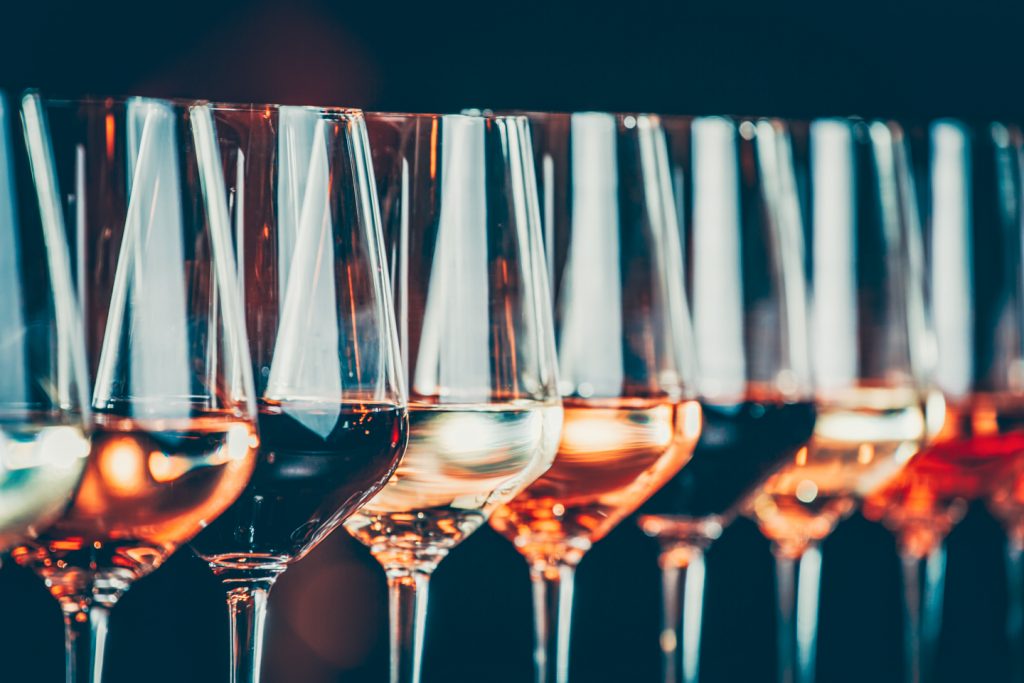
Choosing a wine can be tricky. Sometimes it seems easier to just stick with the brand or variety that we know. But it’s actually quite easy to learn how to make the perfect choice for the right occasion – or maybe try something new.
We’ve put together a quick **wine tasting **guide to help you understand the structure of wine and some of the terminology on the back of the bottle.
Working out which wines you like and how to choose the perfect wine for any occasion, becomes a whole lot easier when you know a little bit about the structure of wine.
The Five Dimensions of Wine Tasting
There are five dimensions that contribute to a wine’s structure; Sweetness, acidity, body, ***tannins ***and flavour notes.
1. Sweetness
The first thing people notice when wine tasting is the sweetness levels. The sweetness comes from sugars that are naturally present in the wine, coming from fructose in the fruit. During fermentation, this sugar is converted to alcohol by yeast. Winemakers sometimes stop the fermentation early to retain some of the sweetness.
A wine’s sweetness is described according to this scale:
- Sweet (as in a dessert wine)
- Medium (moderately sweet)
- Off dry (slightly sweet)
- Dry (not very sweet)
2. Acidity
Although it might sound off-putting, **acidity **is what gives wine its interesting tang and freshness. Without acidity, the wine can be too sweet and syrupy.
The acidity is never added though — it’s not like adding a squeeze of lemon to your cooking. Acidity comes from the grape juice itself and differs depending on the variety and climate where the grapes were grown. Wines with higher acidity usually come from cooler growing regions.
A wine’s acidity is described as low, medium, or high. Winemakers balance sweetness and acidity to create different styles of wine, so when wine tasting don’t be put off by wine that is described as having high acid. Many Sauvignon Blancs fall into this category and that’s one of the most popular wines in the world.
3. Body
The body describes the feeling of the wine in your mouth. An important part of **wine tasting **is deciding whether a wine is light or heavy, viscous or full-bodied. You will often see words relating to weight used as descriptors. The wine’s alcohol level, sugar, tannins and flavours all contribute to the body. Ideally, the body should ideally reflect the feel of the occasion and the food being served, as well as your own mood.
4. Tannins
**Tannins **are mostly found in red wine and refer to the bitter notes in wine. Wines with high tannins create a drying sensation in the mouth and will seem to draw moisture away from the teeth and gums. High tannin reds are often paired with salty, savoury foods which soften this effect, making the wine seem softer.
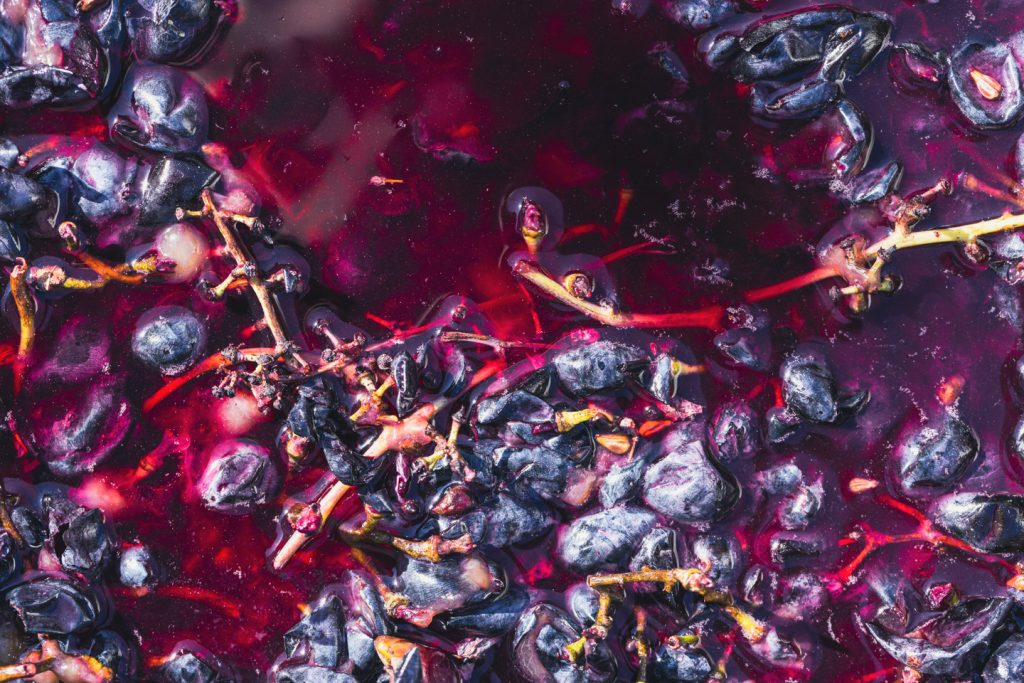
The tannins come from the grape skin, seeds and stems that remain during the fermentation process. The pigment from the skins also give red wine its colour. Because the skins are typically removed during the fermentation of white wine, white wines are very low in tannin. In fact, some white wines have no tannin at all.
5. Flavour Notes
The flavour notes tell you which tastes and smells to expect. These flavours aren’t added – the wine gains these characteristics.
Flavours vary widely, from different fruits, such as peach, cherry or melon, to herbs and minerals. The flavour notes can be as different as baked bread and diesel. While a wine tasting of diesel and old leather might sound quite revolting, remember, these are very subtle hints detected by a highly trained expert.
Your own palate may not detect these flavours at all. That is where wine tastings at vineyards really come into their own because you get to experience wines that you might not take a risk on if you were buying a whole bottle.
The flavours present in wine come from a variety of aspects including:
- region of origin
- soil composition
- the year of harvest
- the stage at which the grapes were harvested
- production methods
- the amount of time the wine has been in the barrel or bottle, and
- the amount of time the bottle has been opened and poured.
That means a wine left in the fridge for a few days will have subtle differences in flavour to one opened and tasted immediately.
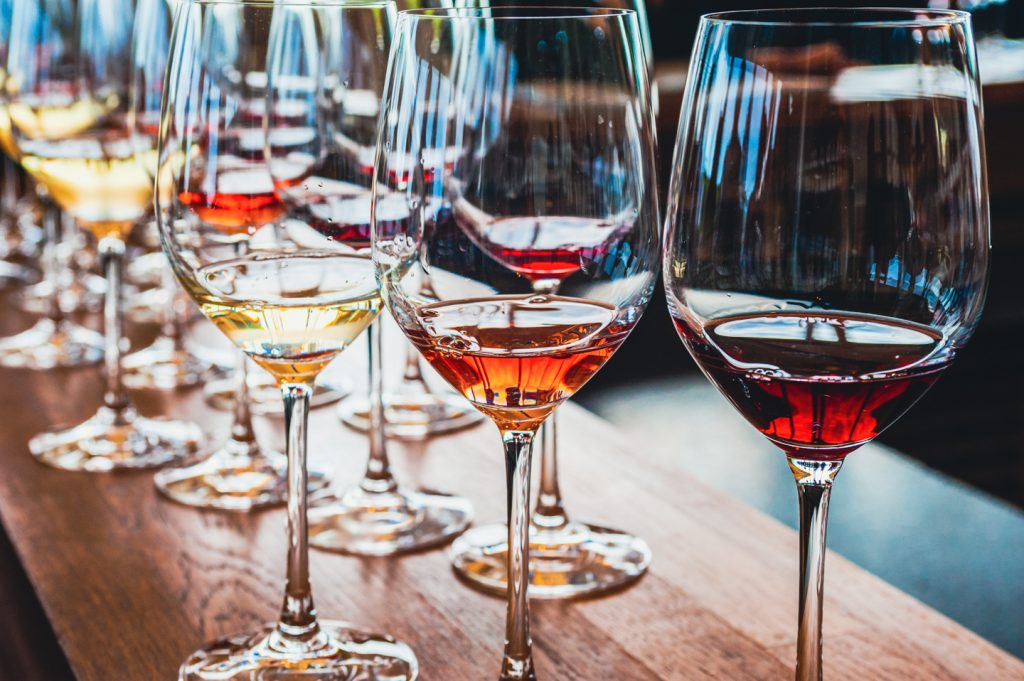
Wine Tasting: Finding your Style
Great winemakers manipulate each of these five dimensions to create particular styles of wine.
When wine tasting, see if you can identify each of these elements. This will help you to understand the structure of the wine, as well as helping you figure out what you personally like or dislike about a wine or style.
Lastly, pay attention to the finish. The finish describes how the wine lingers in your mouth to leave a taste impression. People often describe good quality wines as having a long finish.
Conclusion: Wine Tasting Guide
We hope you’ve gained a little more understanding about wine tasting and the sometimes crazy-sounding things they put on the back of the bottle.
Bear in mind that professional wine tasters take many years to fine-tune their palate so they can accurately describe wine.
The ability to detect the many different characteristics of wine only comes with lots of wine tasting practice. So, the more you practice, the better you get at appreciating the wine you are drinking.
Now isn’t that lucky?

Post navigation
Related Posts
Rosé Wine 101: Everything you need to know about Rose Wine
4 May 2021· 5 min read
Rosé wine is such a great ‘go-to’ for casual get-togethers with mates. This wine has become super trendy in recent years — you could even say that pink is the new black. Rosé used to be known as a drink for the ladies, probably thanks to its pretty colour. But these days more and more guys are discovering this fresh, light-bodied wine. In fact, Rosé has become so popular with the chaps that it’s been nicknamed brosé. We’re going to take a look at what makes Rosé such a great choice, whether you’re chilling out with your mates or just enjoying a quiet meal at home. Why is Rosé Wine so Popular?Pronounced: Roh zayRosé wine is popular quite simply because this wine seems to offer something for everyone. You’ll find cheap and cheerful bot
Red Wine Types: The 4 Most Popular Red Wines in NZ
1 Jun 2021· 14 min read
Red wine is seriously cool. It’s great to share with friends around a campfire, to sip on when you’re all snuggled up on a cold winter’s night, or to take along to a BBQ or pizza night. But how do you know which red wine types to buy? There are just so many different varieties and styles. The red wine section in any supermarket is stacked with them. Don’t worry if you’re confused — you’re not alone.The world of red wine can be tricky — even when you do have a grasp of the basics. And the back of the bottle doesn’t always help. Notes of diesel and old leather? Seriously? Like that’s a good thing?We’re going to keep things simple here. We’re just covering the four top red wine types in New Zealand. Why? Because there are very good reasons why people lov
Sparkling Wine: 5 Most Popular Sparkling Wines in New Zealand
6 Apr 2021· 11 min read
Having a house-warming? Friends just got engaged? That dorky friend finally got into university? All these things call for a celebration — and nothing says party quite like popping the cork of a bottle of sparkling wine. But you don’t need to save your bubbly for New Year’s Eve or life-changing moments. Sparkling wine has become popular as a casual get-together drink to share with friends for any occasion. It goes brilliantly with platters and a range of different foods, and adds a bit of sparkle to a midweek dinner.You don’t have to fork out money on fancy French Champagne either — there’s a heap of delicious and affordable options. You’ll find cheap pink fizz right through to high-end bottles. But that’s what makes shopping so confusing. What
White Wine Types – The 4 Most Popular NZ White Wines
2 Mar 2021· 9 min read
White wine is undoubtedly the perfect accompaniment to summer activities like picnics, family gatherings and fun with friends around the barbeque. However, because everyone’s taste is different, it can be hard to work out which white wine types you are likely to enjoy. What’s more, the ideal wine for a picnic lunch might not be the perfect match for your favourite sweet dessert or the romantic dinner you have planned. Of course, you could just stick with the same brand you always buy, but where’s the fun in that? You might not even have discovered your true favourite yet. When it comes to deciding which white wine types suits you, a great place to start is with a quick overview of the most popular varieties, and what you can expect from each. These four white wine ty
Red Wine 101: Some Basic Facts about Red Wine
2 Feb 2021· 7 min read
Lots of people love red wine — maybe it’s just because it just looks so cool swirling about in those fancy glasses. But red wine also tastes fantastic. And, although it’s definitely a warming drink to enjoy in the winter in front of a log fire, red wine is also perfectly at home at a summer BBQ or a pizza night with friends. But if you’re new to this drink, things can be a bit confusing. Red wine seems to come with a heap of ‘dos and don’t’ — and some of the stuff on the label is downright unhelpful. The good news? You don’t need to be a wine snob to enjoy a glass of red wine. We’ve put together some basic information to help you understand some of the weird language and customs that go along with this popular drink. That way you’ll fee
Sweet Wine: The Top 6 Sweet Wines in New Zealand
4 Jul 2021· 8 min read
Sweet wines deserve a lot more love than they get. People often make the mistake of thinking sweet wine is too sweet, or even that they contain added sugar. In reality, sweet wines are really delicious — they’re fantastic before dinner, to drink with dinner or to even have as a dessert. We’re going to give you a quick rundown of the most popular sweet wines. And, we’ll suggest some foods that match perfectly with each wine. We reckon when you get to know these little beauties you’re bound to agree — these wines are ‘sweet as!’In this article, we’ll be talking about Port, Riesling, Gewürztraminer, Moscato, White Port and Sherry. But first, here’s a quick explanation of what makes sweet wine so sweet.What makes Sweet Wines Sweet?S
Dry White Wine: The Top 6 Most Dry White Wines in New Zealand
6 Aug 2021· 8 min read
Dry white wine is typically fresh and crisp — the perfect drink for summer barbeques and fun with friends. These wines don’t just taste fantastic, they have slightly less alcohol and less sugar. That’s great news if you’re watching your diet. If you’re not a massive fan of sweet drinks, dry white wine is probably going to be a hit. But how do you know which wines are dry? Choosing the right wine can be confusing. And there’s nothing worse than buying a bottle that you don’t enjoy. To help you choose the perfect dry white wine for your taste, we’re going to give you a quick rundown of the six most popular dry whites consumed in New Zealand. We’ll talk about: Sauvignon Blanc, Albariño, Pinot Gris/Grigio, Chardonnay, Viognier, and Riesling.
Read moreShop
Account
Services
Other Info
Sign up for news & special offersConnect with us * **Phone [** 0800 274 642
0800 BRINGA](tel:+64800)Email ** orders@bringabottle.co.nz Bring a Bottle supports the responsible service of alcohol. It is against the law to sell or supply alcohol to, or to obtain alcohol on behalf of a person under the age of 18 years. Off-Licence: 50/OF/001/2024 This site is protected by reCAPTCHA and the Google Privacy Policy and Terms of Service apply. © 2025 Bring a Bottle. All rights reserved. Website Design, Development & Hosting by NOKNOK * * **

Are you over 18 years of age?
Yes No
Remember me