
White wine is undoubtedly the perfect accompaniment to summer activities like picnics, family gatherings and fun with friends around the barbeque. However, because everyone’s taste is different, it can be hard to work out which white wine types you are likely to enjoy. What’s more, the ideal wine for a picnic lunch might not be the perfect match for your favourite sweet dessert or the romantic dinner you have planned.
Of course, you could just stick with the same brand you always buy, but where’s the fun in that? You might not even have discovered your true favourite yet.
When it comes to deciding which white wine types suits you, a great place to start is with a quick overview of the most popular varieties, and what you can expect from each.
These four white wine types are currently the most popular in New Zealand and in the world: Sauvignon Blanc, Chardonnay, Riesling and Pinot Gris. *
Sauvignon Blanc
Pronounced*: **saw-vee-nyon blonk *
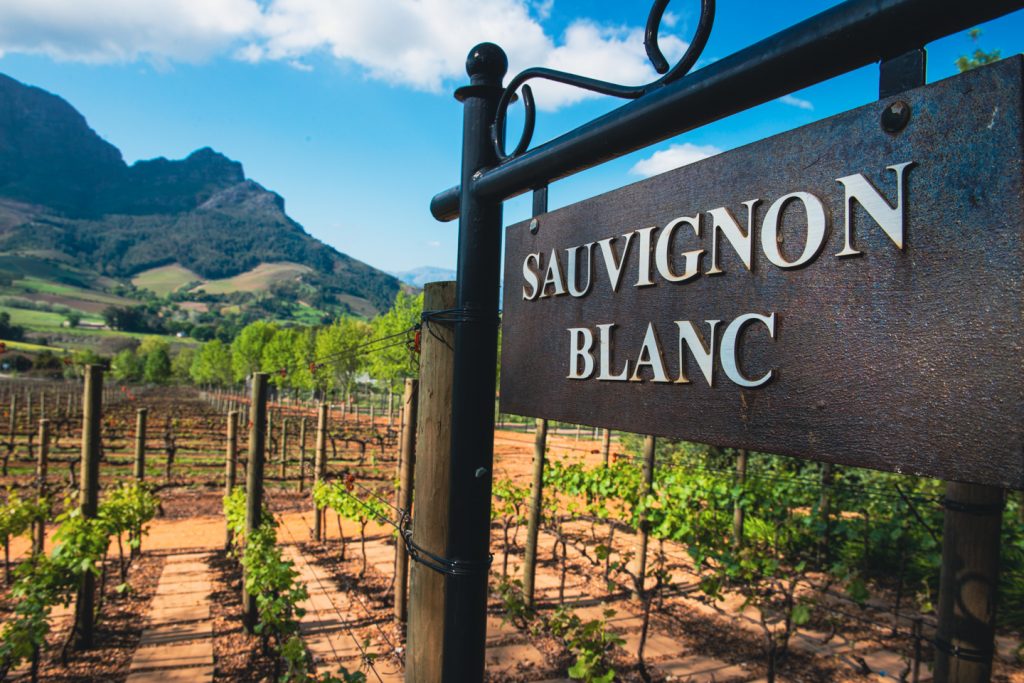
New Zealand Sauvignon Blanc has been a firm favourite since rising to popularity in the 1970s. In 2021 it is New Zealand’s most widely planted variety, representing 61 percent of the national vines currently bearing fruit. Almost 90 percent of those vines are found in Marlborough.
Sauvignon Blanc: What to Expect
The reason for this wine’s popularity lies in its fresh green flavours and the zing that comes from its high acidity. Straw-coloured and with medium body, this wine tastes quite different as it ages. Younger wines are greener and more herbaceous, with notes of freshly-cut grass. Older wines develop fruit favours, such as nectarine, gooseberry, passion fruit and red capsicum. The best Sauvignon Blancs manage to combine these two styles, with herby flavours balanced by fruit, with silkiness complementing tartness.
Foods that go well with Sauvignon Blanc
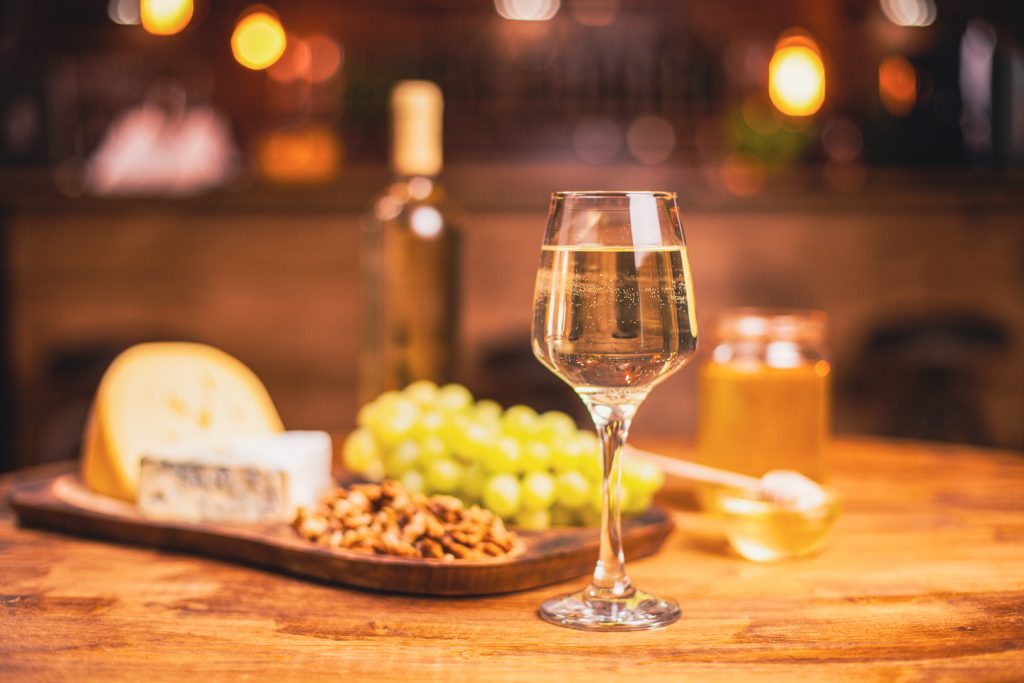
A flavoursome wine, Sauvignon Blanc is fabulous with soft cheese or goat cheese, seafood, salads and herby dishes (when in doubt choose something green). For sauces, steer towards those with a citrus, garlic or tomato base. Due to its high acidity, this wine does not generally go well with sweet dishes.
Serving and cellaring Sauvignon Blanc
Traditionally, Sauvignon Blanc is a wine to drink while it is still aromatic and tangy, usually within 18 months of the vintage. However, the oak-matured styles can mature well for several years.
Cellar: 3-5 yrs
Serve chilled in a white wine or picnic glass, at 7-12°C/ 55°F
Sauvignon Blanc Regions to Look for
Marlborough Sauvignon Blancs with their crisp, pungent styles have become the darling of the world. However, the wide diversity in sites and soil types around New Zealand produces some wonderful variations on this favourite. For a softer, riper style with rich tropical flavours, try a bottle from Hawke’s Bay. If you prefer an intensely aromatic drop, where tropical fruit is balanced with cool climate herbaceous elements, then a Sauvignon from Nelson is your perfect pick.
Chardonnay
Pronounced*: *shar-doh-nay
During the 1990s, plantings of this internationally fashionable variety exceeded those of every other grape. Today top-quality Chardonnay can be found in every wine-growing region of New Zealand. Less fashionable than it was 20-30 years ago, Chardonnay remains New Zealand’s most prestigious and award-winning wine.
Chardonnay: What to expect
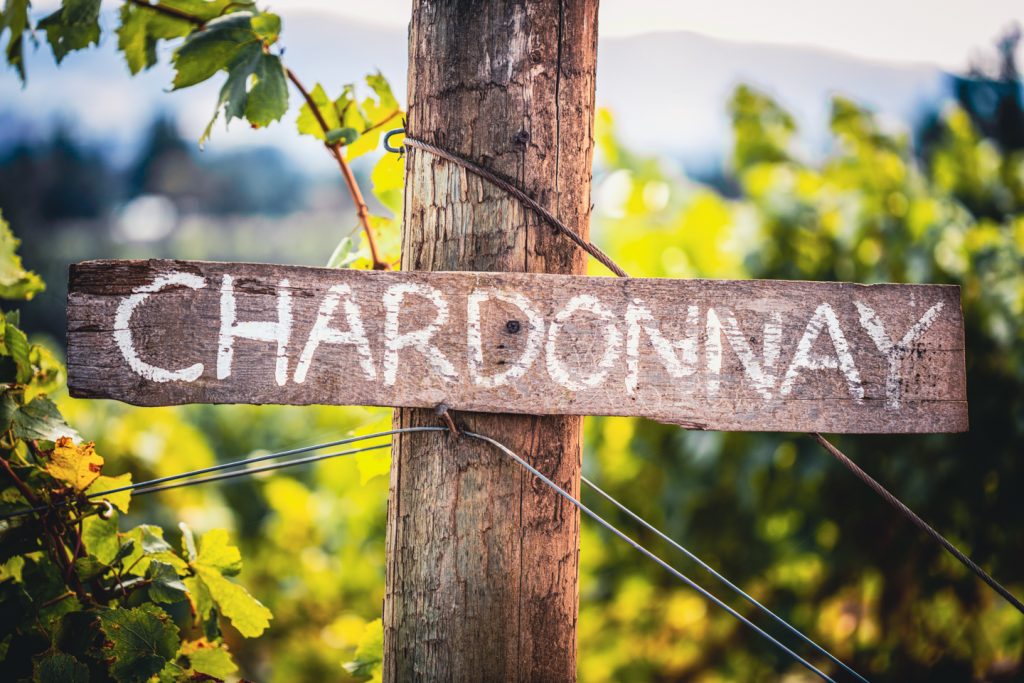
Chardonnay is made in a variety of styles, but you can always expect a pale golden colour and intense flavour. This wine is full in the mouth and characterised by bursts of flavour.
What is the Difference Between Oaked and Unoaked Chardonnay?
One of the confusing things about Chardonnay is the difference between unoaked and oaked styles. While Chardonnay’s reputation suffered a little from the heavily oaked styles of the eighties, which were not everybody’s cup of tea, not all Chardonnays are oaked or overpowered by spicy smoke flavours.
Oaked Chardonnays have complex, vanilla flavours imparted by their oak barrels. They also undergo malolactic fermentation. This secondary fermentation involves a special kind of bacteria called Oenococcus Oeni, which converts malic acid to lactic acid. This works to enhance the creamy, velvety texture of the wine. Due to the complexities gained by oak aging, Chardonnay is one of the winemaker’s favourites, leading to some outstanding wines.
Unoaked Chardonnay is fermented in older ‘neutral’ barrels or stainless steel to honour its natural flavours. These styles are fresh with the flavours of green apple, lemon and pineapple.
Foods that go well with Chardonnay
Chardonnay is a versatile wine that pairs well with both savoury and sweet dishes, depending on the style.
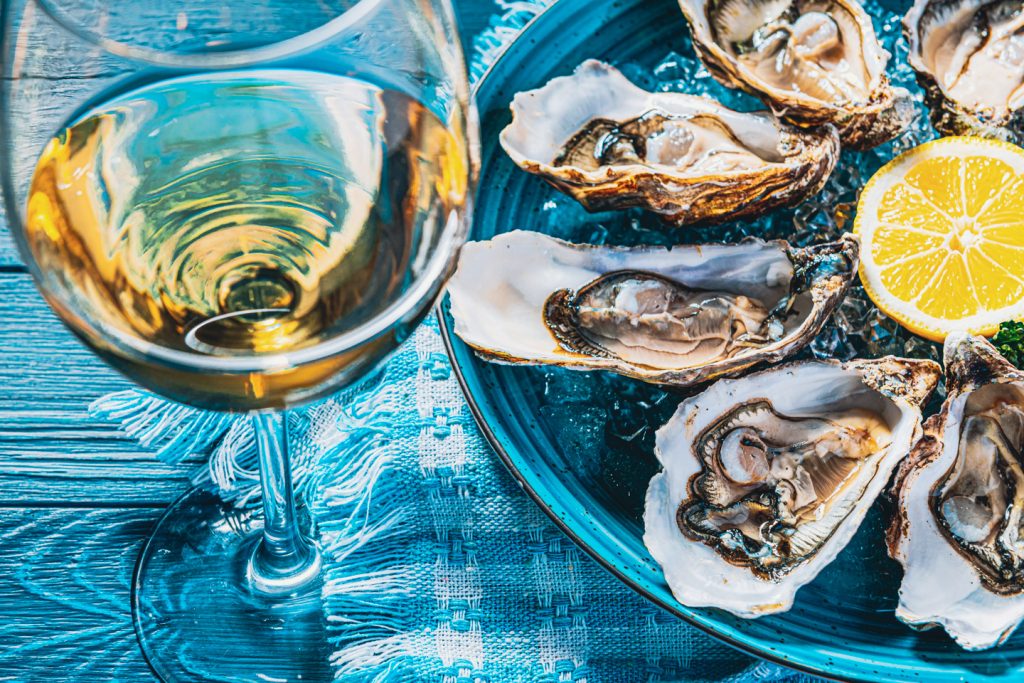
For unoaked Chardonnay, choose more delicate foods such as oysters, vegetable risotto and sushi.
Oaked Chardonnays are punchy enough to stand up to oily fish, fowl and pork with rich sauces. Creamy foods work beautifully with this complex wine, especially pumpkin and squash, but Chardonnay also pairs well with foods that have lots of umami, such as mushrooms.
Cellar: 3-10+ yrs, depending on the quality
Serve chilled in a white wine glass, at 45-55°F / 7-12°C
When to drink Chardonnay
While unoaked Chardonnay does not necessarily benefit from aging, well made oaked Chardonnays can be cellared for ten years or more.
Chardonnay Regions to Look for
Great Chardonnay can be found in boutique vineyards all around New Zealand. Wines from Auckland and Northland have ripe tropical fruit flavours. Gisborne is known for wines that drink very well in their youth, characterised by ripe peach flavours. Bold wines with grapefruit and stone fruit flavours come from the Hawkes Bay region and cellar very well. The cooler climates of Nelson and Marlborough produce wines with distinctive stone fruit characteristics and subtle minerality.
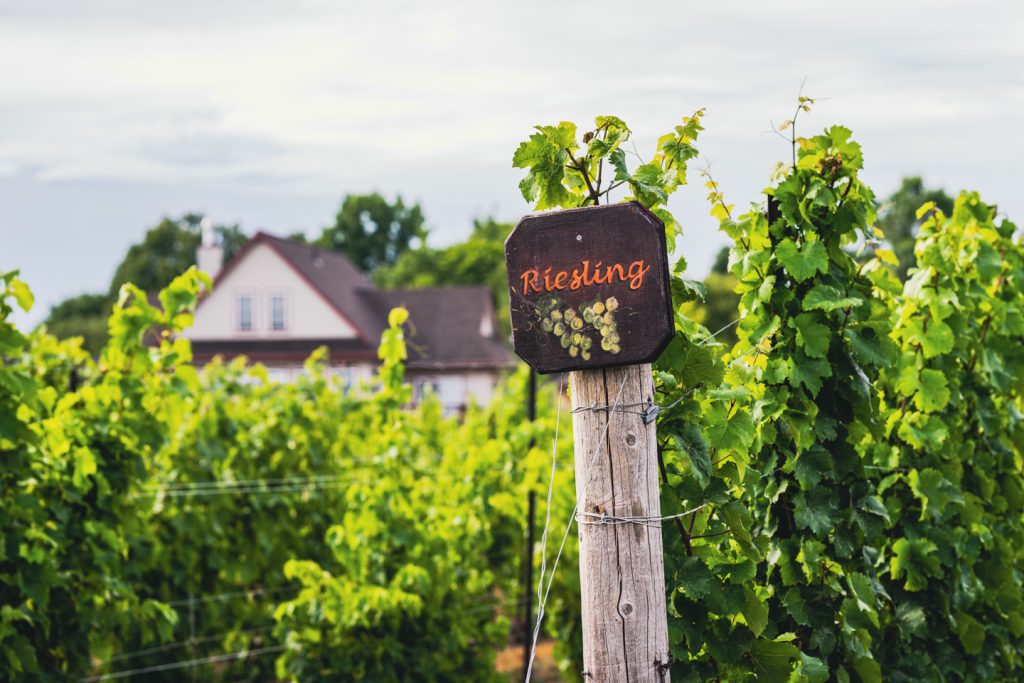
Riesling
Pronounced*: *REESE-ling
Thanks to our German settlers, Riesling was one of the earliest plantings in New Zealand. This fresh aromatic wine really started to gain popularity in the 1980s, becoming our fourth most extensively planted NZ white wine. Riesling vines flourish in cool climates with dry and sunny autumn weather, so it is not surprising that 90% of Riesling is grown in the South Island.
Riesling: What to Expect
This expressive white wine is made in a variety of styles, which can present a confusing challenge to the novice. Riesling can either be very sweet, to balance out its natural acidity, or bone dry. In general, Riesling is a light-bodied wine with fruit flavours and hints of honey, lime, apricots, jasmine and earthy minerals.
Foods that go well with Riesling
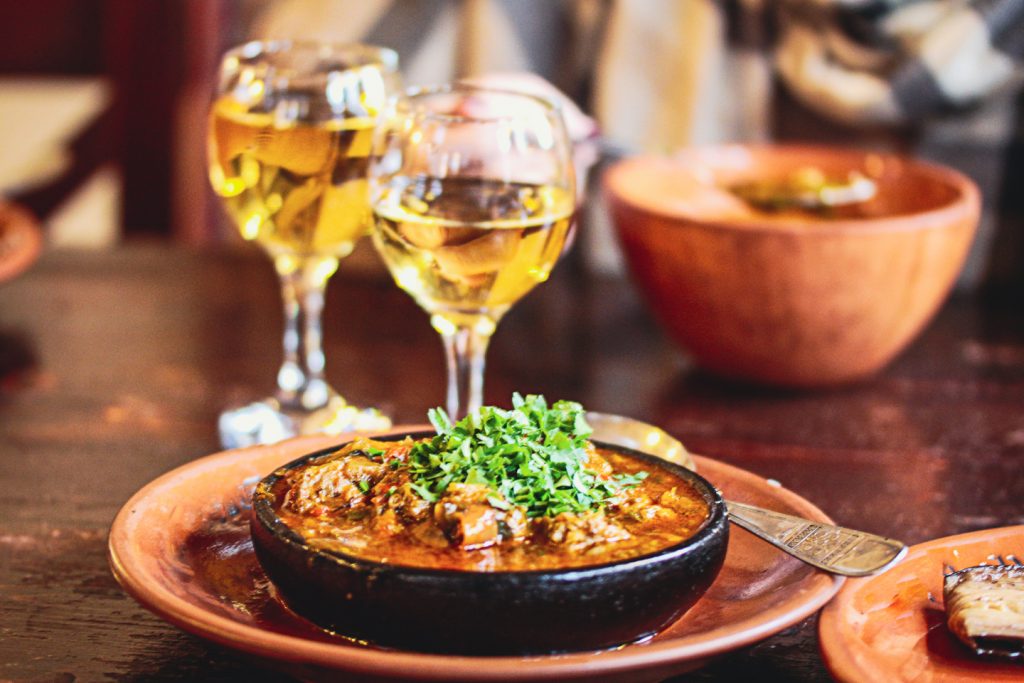
The high acidity of this wine means it pairs well with rich foods like duck, pork and bacon and is especially good with citrus, garlic or cream-based sauces. Sweeter Riesling is also an excellent match for spicy Indian and Asian foods. Late harvest Rieslings work beautifully with sweet desserts or a soft cheese platter.
When to drink Riesling
Medium to sweet Rieslings are generally better when younger. Drier ones need time to develop fully. Over time, the wine will develop toasty honey notes, a mineral complexity and slight diesel characteristics.
Cellar: Sweet to medium up to 5yrs, dry 5-10+ yrs
Serve chilled in a white wine glass, at 3-7°C/45°F
Riesling Regions to Look for
If you love the flavours of stone fruit and spice, then try a Riesling from sunny Nelson. Marlborough Rieslings tend towards the dry or off-dry styles and are overtly aromatic with intense lemon/lime flavours balanced by spice. Crisp and flinty styles with notes of green apples and citrus can be found in the hills of North Canterbury. With such a variety of styles, it is no wonder that this grape is a particular favourite with winemakers.
Pinot Gris
Pronounced*: pee-noh-GREE*
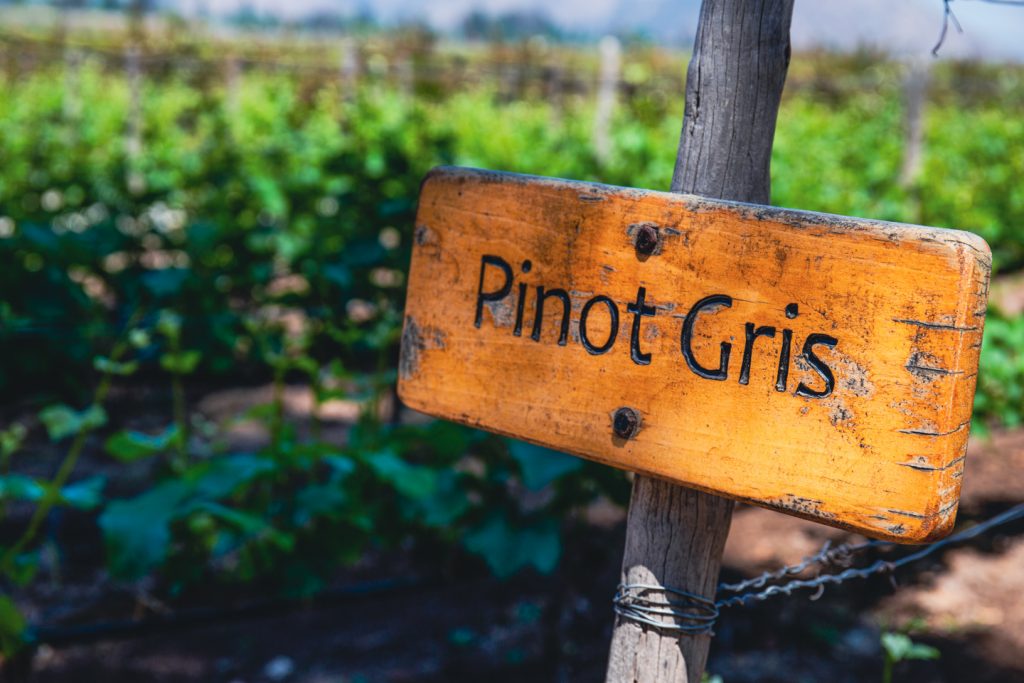
Pinot Gris has enjoyed a dramatic rise in popularity since the 1990s, and is now New Zealand’s third most popular white wine variety. Confusingly, Pinot Gris has two names. Called Pinot Gris by the French, the exact same wine is known by the Italians as Pinot Grigios. New Zealand embraces both of these names in classic Kiwi style. Pinot Gris is not to be confused with Pinot Noir, its sophisticated red wine sister.
Pinot Gris: What to Expect
With a pale straw-coloured tint, this wine is velvety on the tongue. Pinot Gris manages a perfect balance of earthy with sweet and has medium-high acidity. You can expect strong fruit notes of citrus, quince, green apple, pear and honeysuckle, spiced with subtle hints of cloves and ginger. New Zealand Pinot Gris tended to be in the medium sweet bracket but is now trending towards more off-dry or dry styles. Sometimes the fruit flavours confuse the palate, making a dry wine taste sweeter than it really is.
Foods that go well with Pinot Gris
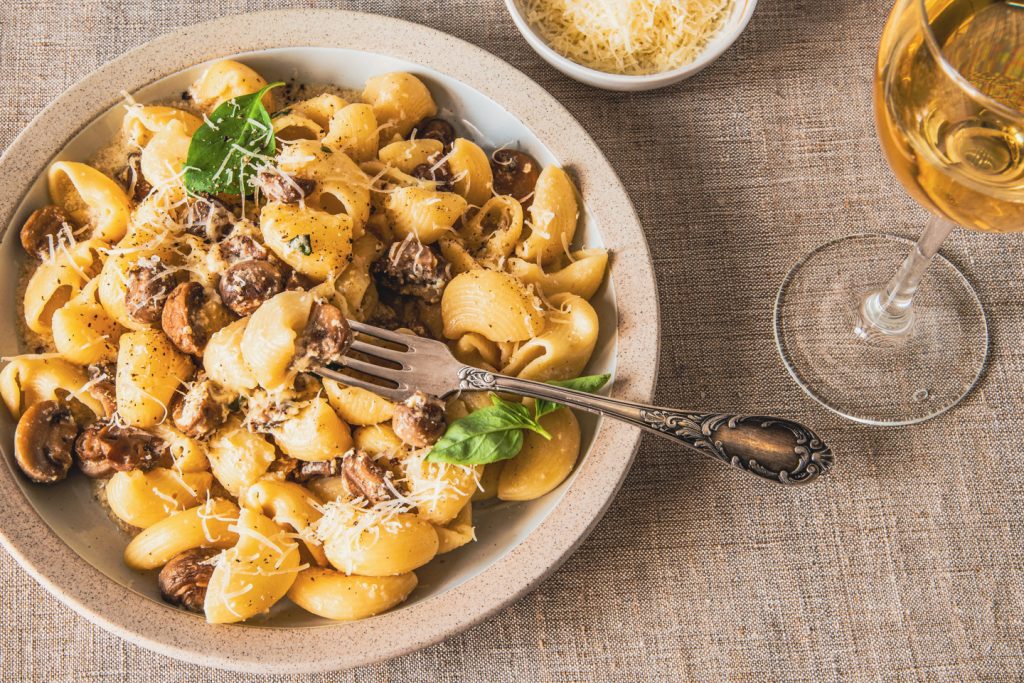
This wine is a wonderful match for savoury and spicy foods. Fish, seafood, creamy pasta dishes, grilled chicken, roast pork, and cheese are all enhanced by the sophisticated flavours of Pinot Gris.
Serve chilled at 7-12°C/45-55 °F in a white wine glass
Cellar 1-4 years – this is a wine to be drunk relatively young.
Pinot Gris Regions to Look for
45 percent of New Zealand’s Pinot Gris is grown in Marlborough. Wines from this cooler region tend towards more aromatic styles, with peach, red apple and cinnamon characteristics. The warmer climate of Hawke’s Bay results in riper, more concentrated flavours in a wide variety of styles. For a full-bodied Pinot Gris with peach and pear flavours balanced out by complex spices, try a bottle from Gisborne.
White Wine Types: Be Adventurous
The trick to finding your own favourite white wine lies in being a little adventurous and trying something new. Starting with these four white wine types, and exploring the different styles from various regions is a great way to find the perfect wine for your taste. If you’re lucky enough to be travelling in New Zealand, a visit to some of our beautiful vineyards is the perfect way to while away a summer’s day and taste some of these gorgeous NZ white wines for yourself.
Post navigation
Related Posts
Sweet Wine: The Top 6 Sweet Wines in New Zealand
4 Jul 2021· 8 min read
Sweet wines deserve a lot more love than they get. People often make the mistake of thinking sweet wine is too sweet, or even that they contain added sugar. In reality, sweet wines are really delicious — they’re fantastic before dinner, to drink with dinner or to even have as a dessert. We’re going to give you a quick rundown of the most popular sweet wines. And, we’ll suggest some foods that match perfectly with each wine. We reckon when you get to know these little beauties you’re bound to agree — these wines are ‘sweet as!’In this article, we’ll be talking about Port, Riesling, Gewürztraminer, Moscato, White Port and Sherry. But first, here’s a quick explanation of what makes sweet wine so sweet.What makes Sweet Wines Sweet?S
Red Wine 101: Some Basic Facts about Red Wine
2 Feb 2021· 7 min read
Lots of people love red wine — maybe it’s just because it just looks so cool swirling about in those fancy glasses. But red wine also tastes fantastic. And, although it’s definitely a warming drink to enjoy in the winter in front of a log fire, red wine is also perfectly at home at a summer BBQ or a pizza night with friends. But if you’re new to this drink, things can be a bit confusing. Red wine seems to come with a heap of ‘dos and don’t’ — and some of the stuff on the label is downright unhelpful. The good news? You don’t need to be a wine snob to enjoy a glass of red wine. We’ve put together some basic information to help you understand some of the weird language and customs that go along with this popular drink. That way you’ll fee
Red Wine Types: The 4 Most Popular Red Wines in NZ
1 Jun 2021· 14 min read
Red wine is seriously cool. It’s great to share with friends around a campfire, to sip on when you’re all snuggled up on a cold winter’s night, or to take along to a BBQ or pizza night. But how do you know which red wine types to buy? There are just so many different varieties and styles. The red wine section in any supermarket is stacked with them. Don’t worry if you’re confused — you’re not alone.The world of red wine can be tricky — even when you do have a grasp of the basics. And the back of the bottle doesn’t always help. Notes of diesel and old leather? Seriously? Like that’s a good thing?We’re going to keep things simple here. We’re just covering the four top red wine types in New Zealand. Why? Because there are very good reasons why people lov
Dry White Wine: The Top 6 Most Dry White Wines in New Zealand
6 Aug 2021· 8 min read
Dry white wine is typically fresh and crisp — the perfect drink for summer barbeques and fun with friends. These wines don’t just taste fantastic, they have slightly less alcohol and less sugar. That’s great news if you’re watching your diet. If you’re not a massive fan of sweet drinks, dry white wine is probably going to be a hit. But how do you know which wines are dry? Choosing the right wine can be confusing. And there’s nothing worse than buying a bottle that you don’t enjoy. To help you choose the perfect dry white wine for your taste, we’re going to give you a quick rundown of the six most popular dry whites consumed in New Zealand. We’ll talk about: Sauvignon Blanc, Albariño, Pinot Gris/Grigio, Chardonnay, Viognier, and Riesling.
Rosé Wine 101: Everything you need to know about Rose Wine
4 May 2021· 5 min read
Rosé wine is such a great ‘go-to’ for casual get-togethers with mates. This wine has become super trendy in recent years — you could even say that pink is the new black. Rosé used to be known as a drink for the ladies, probably thanks to its pretty colour. But these days more and more guys are discovering this fresh, light-bodied wine. In fact, Rosé has become so popular with the chaps that it’s been nicknamed brosé. We’re going to take a look at what makes Rosé such a great choice, whether you’re chilling out with your mates or just enjoying a quiet meal at home. Why is Rosé Wine so Popular?Pronounced: Roh zayRosé wine is popular quite simply because this wine seems to offer something for everyone. You’ll find cheap and cheerful bot
Sparkling Wine: 5 Most Popular Sparkling Wines in New Zealand
6 Apr 2021· 11 min read
Having a house-warming? Friends just got engaged? That dorky friend finally got into university? All these things call for a celebration — and nothing says party quite like popping the cork of a bottle of sparkling wine. But you don’t need to save your bubbly for New Year’s Eve or life-changing moments. Sparkling wine has become popular as a casual get-together drink to share with friends for any occasion. It goes brilliantly with platters and a range of different foods, and adds a bit of sparkle to a midweek dinner.You don’t have to fork out money on fancy French Champagne either — there’s a heap of delicious and affordable options. You’ll find cheap pink fizz right through to high-end bottles. But that’s what makes shopping so confusing. What
Wine Tasting Guide: The Structure of Wine
5 Jan 2021· 5 min read
Choosing a wine can be tricky. Sometimes it seems easier to just stick with the brand or variety that we know. But it’s actually quite easy to learn how to make the perfect choice for the right occasion – or maybe try something new. We’ve put together a quick wine tasting guide to help you understand the structure of wine and some of the terminology on the back of the bottle.Working out which wines you like and how to choose the perfect wine for any occasion, becomes a whole lot easier when you know a little bit about the structure of wine. The Five Dimensions of Wine TastingThere are five dimensions that contribute to a wine’s structure; Sweetness, acidity, body, tannins and flavour notes. 1. SweetnessThe first thing people notice
Read moreShop
Account
Services
Other Info
Sign up for news & special offersConnect with us * **Phone [** 0800 274 642
0800 BRINGA](tel:+64800)Email ** orders@bringabottle.co.nz Bring a Bottle supports the responsible service of alcohol. It is against the law to sell or supply alcohol to, or to obtain alcohol on behalf of a person under the age of 18 years. Off-Licence: 50/OF/001/2024 This site is protected by reCAPTCHA and the Google Privacy Policy and Terms of Service apply. © 2025 Bring a Bottle. All rights reserved. Website Design, Development & Hosting by NOKNOK * * **

Are you over 18 years of age?
Yes No
Remember me